
How Brexit Changed UK Supermarket Shelves
Dave Middleton · Founder of Prep Us
Border checks, paperwork and haulage costs have quietly reshaped what arrives in Britain’s fresh produce aisles. What changed, what it costs, and the buffer a household can build instead.
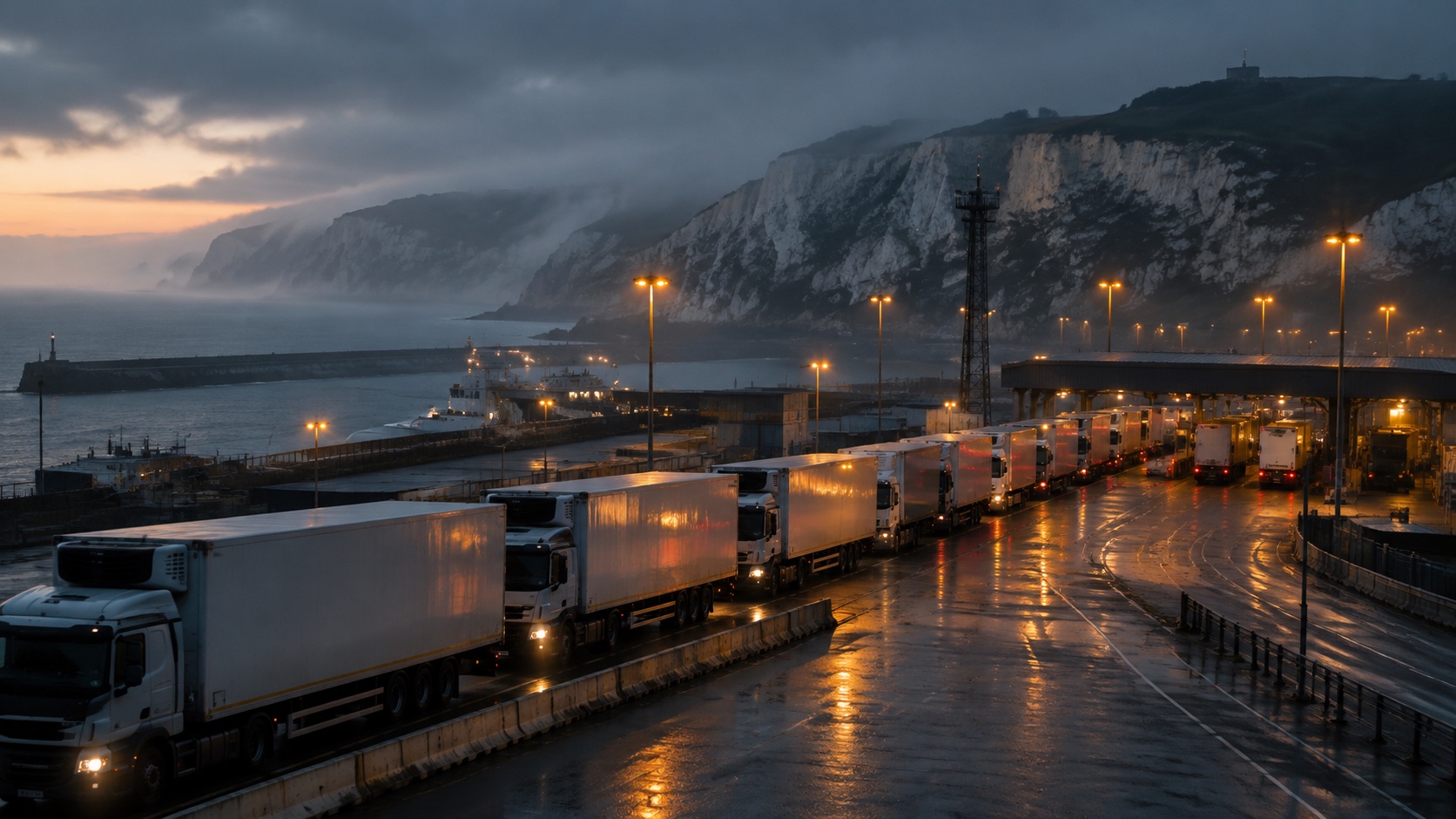
What changed on 1 January 2021
Before 2021, a lorry of Spanish salad could reach a UK supermarket depot in under 48 hours without its doors being opened once. Goods moved through a single customs union and a shared set of rules, so a consignment crossing the Channel needed almost no paperwork. Since then, the same load faces border checks, safety declarations and customs forms, and some of it is turned away at the border.
The cost of friction
Industry estimates put the extra border charges on a single consignment at up to £145, and new haulage rules have pushed transport costs up by roughly 15 to 20%. Those costs do not vanish. They appear as higher shelf prices, thinner margins for growers, and fewer small suppliers who decide the paperwork is not worth the effort.
Why the gaps appear so quickly
British supermarkets run on just-in-time delivery, with only about a day or two of stock in the back room and fresh produce arriving continuously rather than in advance. That system is remarkably efficient while borders are open and ferries are running. When paperwork, bad weather or a border IT system stalls, there is no buffer to absorb the delay, and empty shelves can follow within days.
Friction is the new normal
This is not a temporary inconvenience that will quietly reverse. Border friction is now part of how Britain is supplied, and the same logic applies to fuel, medicine and imported ingredients. The sensible response is not to panic or to hoard, but to give your own household a buffer that does not depend on a single port.
What a household buffer looks like
Start with 14 to 30 days of long-life staples your family already eats: tinned vegetables, dried beans and lentils, rice, pasta, oats, tinned tomatoes, cooking oil, and something frozen if you have the space. Use it as you go and replace what you take out, and keep drinking water covered too. That is a fraction of the cost of a panic shop, and it leaves the shelves free for key workers and vulnerable neighbours.
A border you cannot control is not a reason to worry every day. It is a reason to hold two weeks of your own family’s favourites and stop thinking about it.